
There is a moment in every serious interior project when the surfaces have to be decided; not selected from a catalogue, but decided.
The floor determines the proportion of the room, the wall material determines how light moves through it at different hours and the finish determines whether a space feels resolved or merely assembled. Every subsequent decision including the fittings, the furniture and the lighting is made in relation to whatever is fixed to the floor and the wall.
Which means the surface is not the last thing to think about, but the first.
That is the frame within which NITCO belongs. Not as a tile brand. As a key interior decision.
Seventy Years of Getting It Right
NITCO was founded in 1953 as a mosaic tile manufacturer, at a time when India was in the earliest stages of building itself into a modern nation. The country needed quality surfaces and had almost none of its own. What it had was imported, expensive, and designed for someone else’s architecture.
A group of entrepreneurs founded the company specifically to address the post-independence shortage of domestically produced, high-quality ceramic tiles, which were primarily imported. This early focus on ceramic mosaic tiles laid the groundwork for what would follow as a company that would grow not by chasing the mass market, but by carrying the flag for what Indian design was to become.
In 1984, NITCO began processing and distributing imported marble in India. Then, in 1995, it began implementing a greenfield project for the manufacture of ceramic floor tiles, with commercial production beginning in 1997 at Alibaug, Maharashtra. Each transition was a reading of where the market was going before the market itself fully knew.
Today, NITCO stands as a leading brand with a presence in all three surfaces i.e. tiles, marble, and mosaic, with a comprehensive product range in each category.
The Three Surfaces That Complete a Room
A home is not a single surface problem. A bathroom asks for tile. An entrance demands a stone finish. A feature wall can display mosaic. A kitchen calls for something that can hold both heat and beauty. The moment a specification has to source these things from different suppliers, the room begins to fragment. Each product comes with its own design language, its own weight, its own proportion logic. Getting them to belong together becomes a project in itself.
NITCO’s vitrified tiles bring strength and high living together. Its natural stone tiles offer an earthy, raw material that keeps the floor cooler and brings an unmatchable aesthetic. And its marble, processed through triple reinforcement technology, achieves a precision-led finish that rivals the original material it draws from.
When a single brand commands all three, the room is specified from a common vocabulary. The floor speaks to the wall. The stone speaks to the tile. The detail speaks to the surface it punctuates. Coherence is the result and coherence, in serious interiors, is the thing that separates a room that merely looks expensive from one that feels complete.
What Vitrified Tile Actually Changed
In the history of Indian interiors, there is a before-vitrified and an after-vitrified.
Before, surfaces were limited by the constraints of natural material: the inconsistency of stone, the fragility of hand-laid tile, the maintenance demands of marble in a tropical climate. Design had to work within those constraints or ignore them entirely.
Vitrified tile changed the calculation. The vitrification process includes firing clay with silica, feldspar, and quartz at extreme temperatures that produces a dense, non-porous surface that combines durability, low maintenance, and design versatility in a way no natural material quite matches. The architect could now specify a marble-look surface that would hold in a Mumbai monsoon, a wood-look floor that wouldn’t warp, a stone-look exterior that would not stain.
NITCO offers vitrified tiles with tones and textures designed to create warmth and sophistication. The NITCO Marble collection replicates the grandeur of marble for architectural spaces where the original material would be impractical.
These are not imitations of natural materials. They are translations of the intelligence of the original, applied with the engineering discipline of the modern surface.
Marble Without the Compromise
There is a reason marble has defined luxury interiors for three thousand years. It is not the cost. It is the quality of stillness it brings to a room. The way a white marble floor makes a space feel cooler, quieter, and older than it actually is. The way it catches morning light differently from afternoon light. The way it ages into character rather than deteriorating into obsolescence.
The limitation of natural marble in India is practical. Sourcing is inconsistent. Installation is demanding. Maintenance in a residential context requires real commitment. And the visual variation that makes each slab unique is also the thing that can make large-format installation feel unpredictable.
NITCO’s marble offerings address this at two levels. First, through its imported marble portfolio and second, through its vitrified marble-look collections, which carry the visual intelligence of natural stone with the performance characteristics of engineered tile.
Mosaico: The Detail That Earns Its Place
Mosaic is the oldest surface language in architecture. The Romans used it. The Byzantines perfected it. The Mughals brought it to India. And for most of its history, it was the mark of a space that had been thought about carefully enough to deserve something handmade at a small scale.
In contemporary interiors, mosaic has returned, not as pastiche, but as an acknowledgement that a room sometimes needs a moment of deliberate complexity.
NITCO’s Mosaico collection is crafted from marble, shell stones, semi-precious stones, and tile. Its designs move between the contemporary and the classical, and customers can opt for customisation to suit a specific vision. The collection is the accent that makes everything around it make more sense, not the decoration that pulls attention away from it.
The Question of Specification
NITCO commands respect among architects and interior designers who are inspired by design trends from different parts of the world, from art, from nature, and from modern architecture. The product range was built for people who are making real decisions, not browsing options.
Why the Surface Is Never Just a Finish
Luxury interiors in 2026 are not defined by the presence of expensive materials. They are defined by the intelligence with which materials are chosen and made to belong together.
The floor that makes the bathroom’s fittings look inevitable. The wall surface that makes the kitchen’s stone countertop feel like the same design decision. The entrance material that prepares you for what the rest of the home is going to feel like.
That kind of coherence requires a surface brand with enough range to move across every room and every mood in a project without losing its identity. It requires a brand that has been refining its understanding of Indian interiors for more than seventy years.
NITCO is that brand.
And at Tikriwal Trading Studio studio in DLF Phase 1, it is where the room begins.
Here’s some standout offerings from the NITCO collections at TTC
-
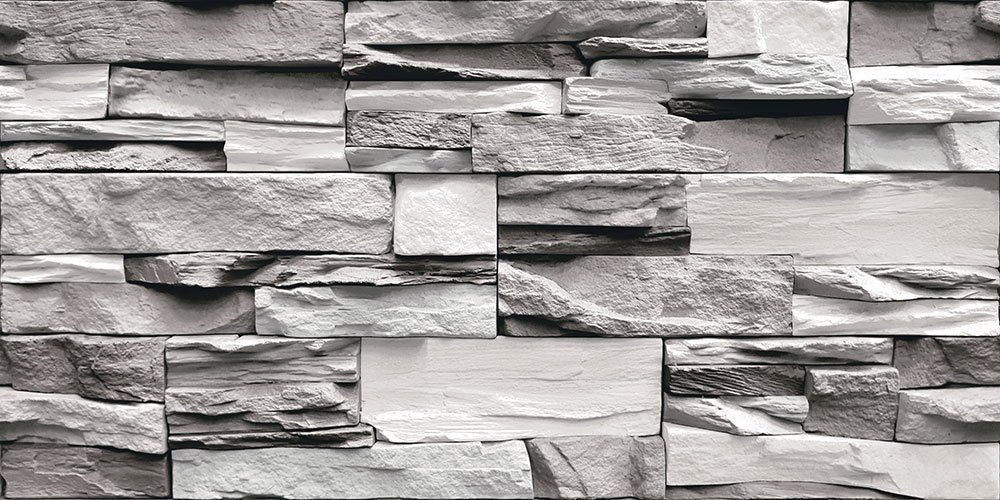
NITCO Ancient Rock Floor Tile 600×600mm
-
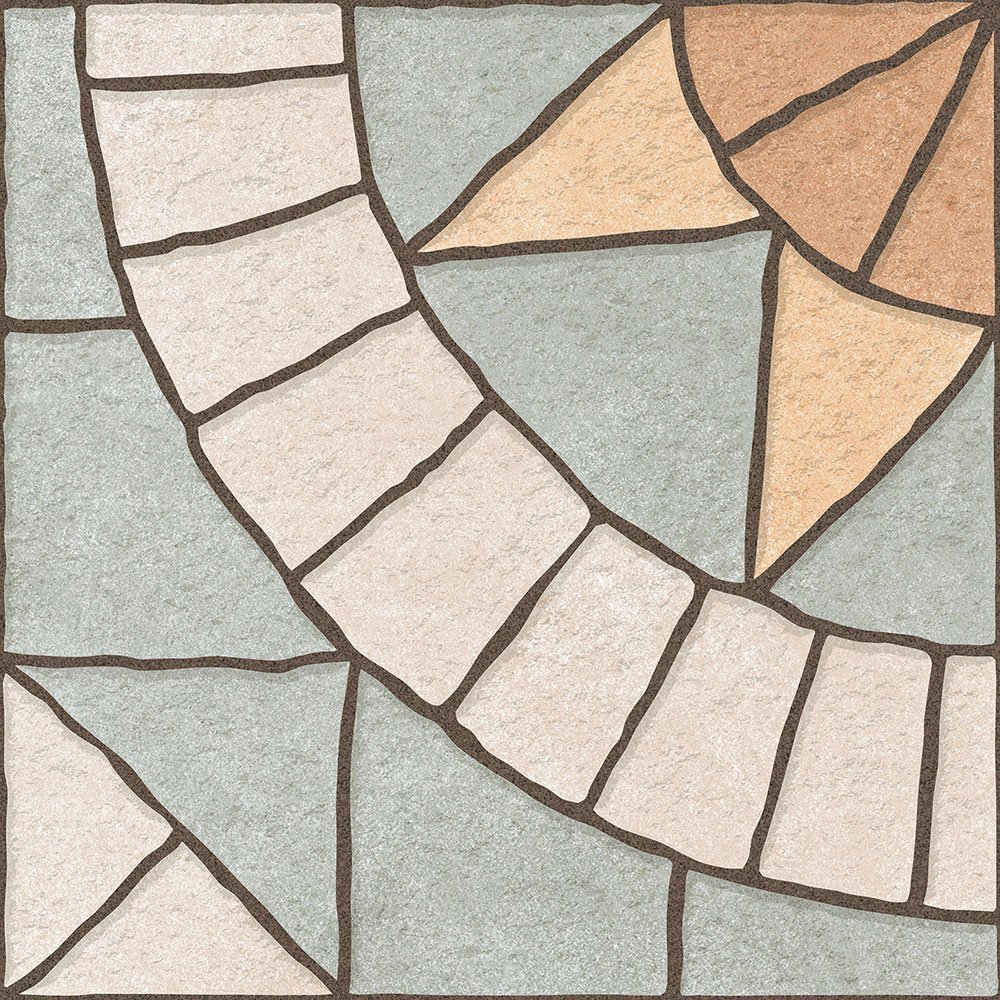
NITCO Antonia Floor Tile 600×600mm Matt
-
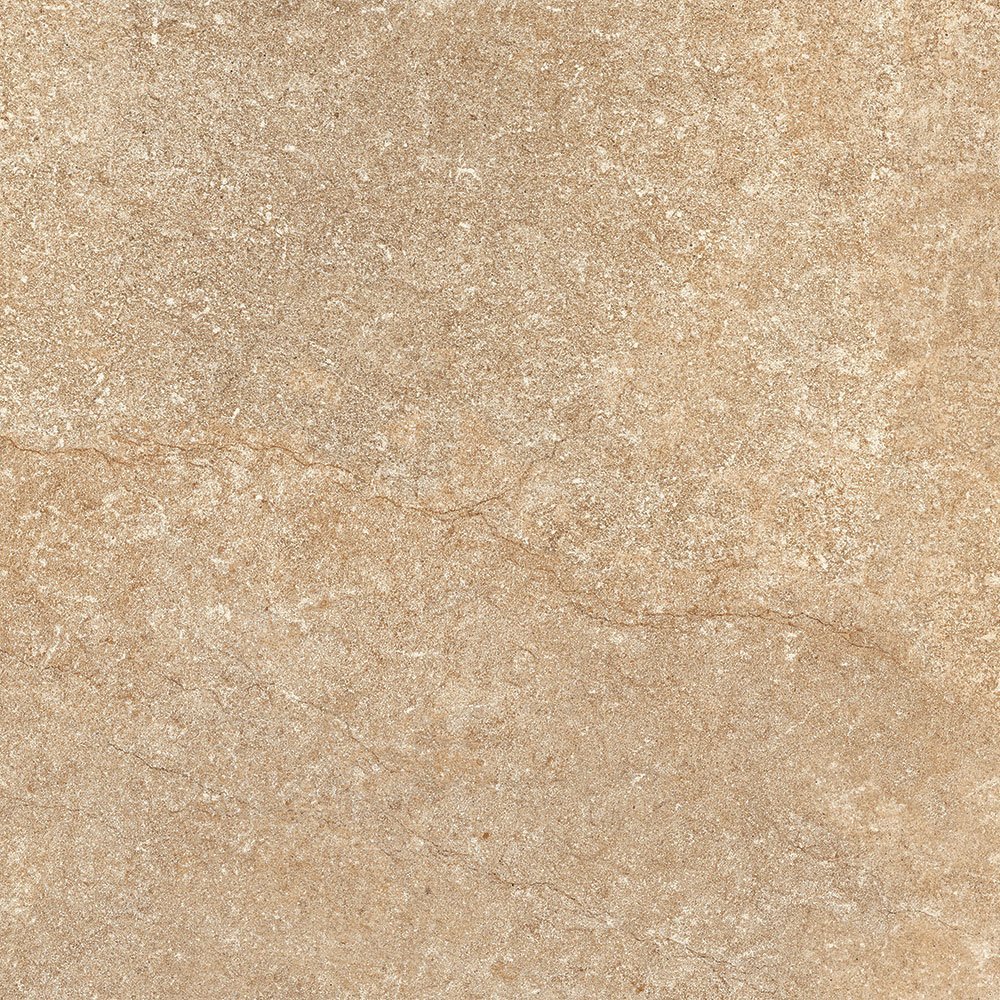
NITCO Arden Creme Mosaic Tile 300×300mm
-
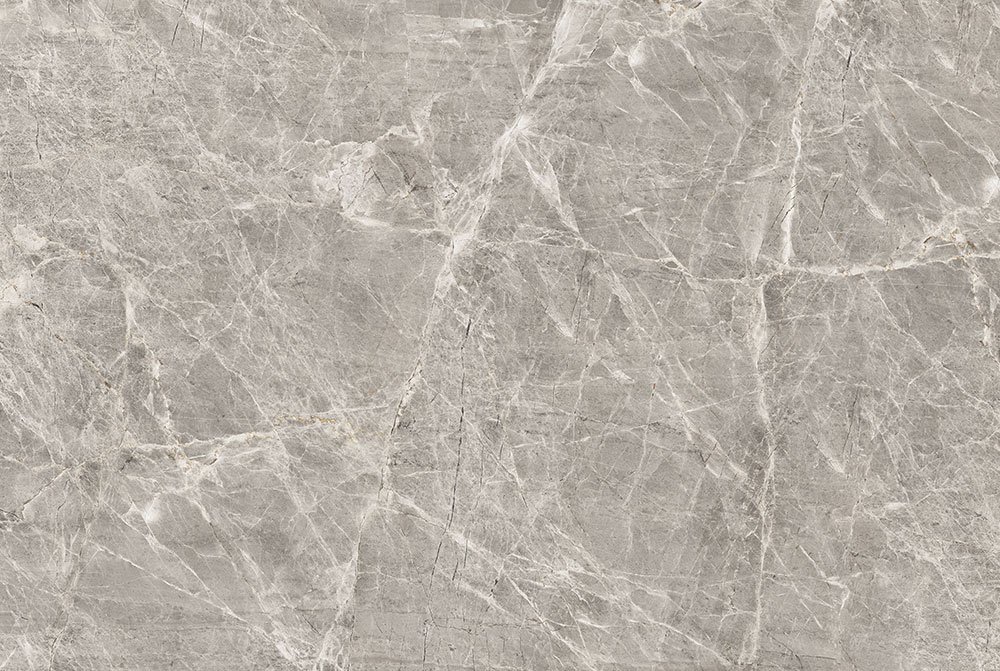
NITCO Ariana Grey Large Format Slab Tile
-

NITCO Armani Grey Mosaic Tile 300×300mm
-

NITCO Atos Frost Matte GVT Floor Tile 600×1200
-
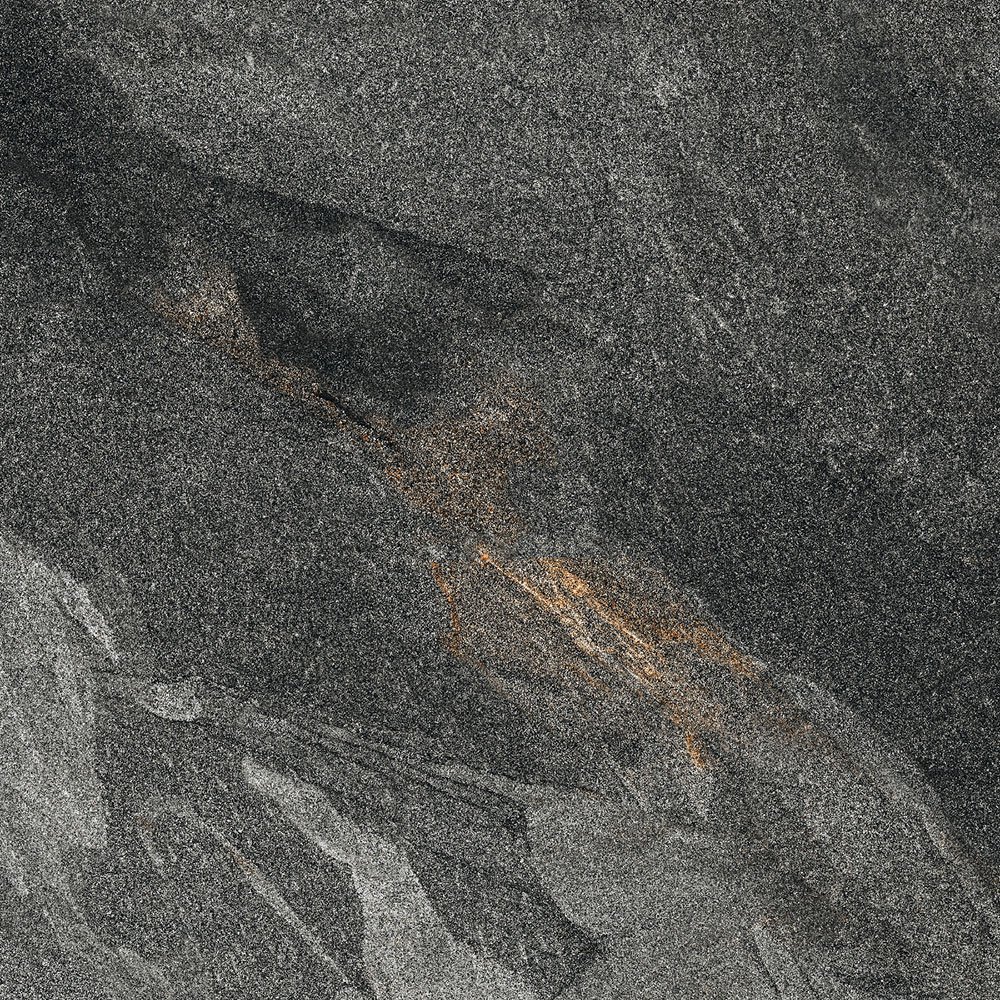
NITCO Baltic Black Floor Tile 600×600mm
-
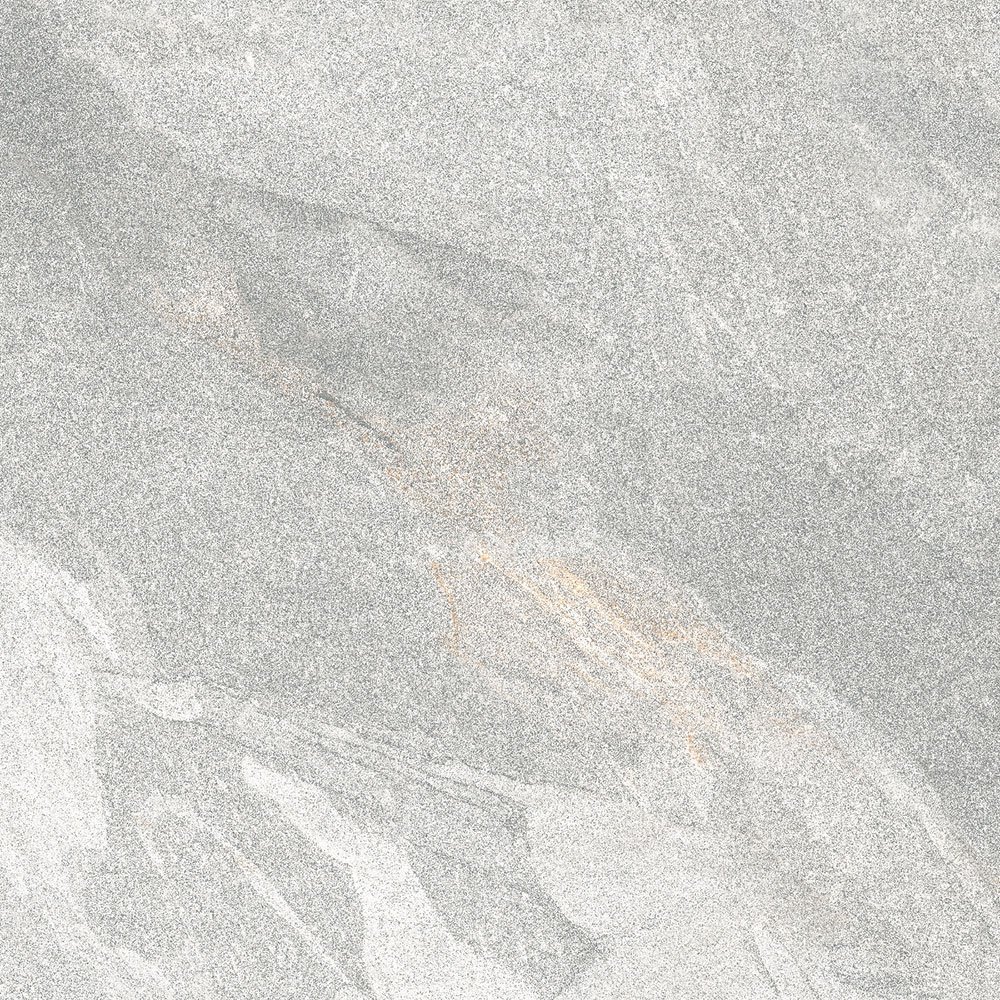
NITCO Baltic White Floor Tile 600×600mm
-

NITCO Bella Royal White Decor Ceramic Wall Tile 300×450